

Most sourcing problems don’t come from bad luck. They come from skipping a few checks because a supplier sounded professional, sent a good quote, or had a nice website. With period underwear the risk is a bit higher than with ordinary apparel, because the product has to absorb, hold, and sit against skin for hours. A weak factory shows up in the product, and then in your reviews.
This guide covers ten period underwear manufacturer red flags, plus a simple way to check each one. It also shows the certificates Shanhao holds, so you can see what real paperwork looks like. If you’d like to see what we make first, browse our OEM underwear products to see our available product range and customization options.
In this guide
- A trading company posing as a factory
- Certificates you can’t verify
- A price that’s too good
- Pressure to pay 100% upfront
- No real period underwear experience
- Vague or slow answers
- No visits, no inspections
- Photos that don’t add up
- No contract, no locked tech pack
- No history you can check
- Certificates Shanhao holds
- Checklist before you sign
- Paying safely
- Common questions
1. A Trading Company Posing as a Factory
Trading companies aren’t always a problem. Some are honest and useful. The problem starts when a supplier says “our factory” and “our production team,” but can’t show you a real facility. You end up paying an extra margin to someone who can’t fix quality issues or tell you what’s happening in the production queue.
How to check: Ask for a live video tour, not a promotional video. Ask for the business licence and confirm its scope includes manufacturing. In China, you can look up a registered company on the National Enterprise Credit Information Publicity System (gsxt.gov.cn), and you can compare the address on a map.
2. Certificates You Can’t Verify
“OEKO-TEX certified” or “GOTS certified” is easy to write on a website. It’s harder to prove. Be careful if all you get is a logo, or a PDF with no certificate number. Real certificates have numbers, and the certifying bodies let you look them up.
How to check: Look up OEKO-TEX certificates with the certificate number on the official OEKO-TEX label check. Check GOTS in the public GOTS database. For ISO, ask which certification body issued it and confirm with them. For BSCI and amfori reports, ask for access through the platform instead of a PDF copy. And remember that each certificate covers a specific company, scope and validity period.
If you’re not sure which OEKO-TEX class you need, our guide to OEKO-TEX Class I vs Class II for period underwear explains the difference.
3. A Price That’s Too Good
Period underwear isn’t a simple commodity. It uses layered fabric, a leak-resistant barrier, and construction that has to stay comfortable after washing. A quote far below everyone else usually means thinner materials, a weaker absorbent structure, or extra fees that show up later, such as sample, tooling or “rush” charges.
How to check: Get three to five quotes for the same spec, and compare them like for like. Ask for a cost breakdown (fabric, absorbent layers, sewing, trims, packaging). If the answer to “what’s the absorbent structure?” is “standard quality,” that’s a red flag too.
4. Pressure to Pay 100% Upfront
A common structure for a new buyer is a deposit before production (30% is typical) and the balance before shipment. Full payment upfront takes away all your leverage. If quality, dates or specs go wrong, you have nothing to negotiate with.
How to check: Push for a split payment tied to milestones. For a first order with a new supplier, consider a payment method with buyer protection, such as a platform escrow service or a letter of credit for larger orders. Never send money to a personal account, or to an account whose name doesn’t match the company you’re dealing with.
5. No Real Period Underwear Experience
Making a plain cotton brief and making a period brief are different jobs. Period underwear needs layer construction, careful bonding or lamination, and seam choices that don’t leak or feel bulky. A factory that says “we can make anything” may be learning on your order.
How to check: Ask to see existing period underwear samples, not something made for your inquiry. Ask how they build the absorbent layers and how they test absorbency and wash durability. A real specialist answers specifically.
6. Vague or Slow Answers
How a supplier communicates before the deposit is usually how they’ll communicate after it. If answers take days, everything is “no problem,” and you only ever talk to a salesperson, your tech details may never reach the people making the product.
How to check: Ask for a video call with a merchandiser or engineer. Ask a technical question, such as which method they use to test absorbency, and see whether the answer is clear. See whether they’ve actually read your tech pack.
7. No Visits, No Inspections
A good factory doesn’t mind being looked at. If a supplier refuses a visit, or pushes back on a third-party inspection before shipment, ask why. “Client confidentiality” can be a real reason, but it’s also a common excuse when the goods are made somewhere else.
How to check: Put the right to inspect in the contract. If you can’t travel, book an independent audit from a firm such as SGS, QIMA or Bureau Veritas. The fee is small next to the cost of a bad first order.
8. Photos That Don’t Add Up
Some suppliers copy factory photos from other companies. The same production floor can show up on many different websites.
How to check: Run a reverse image search on a few photos. Ask for a live video walk through the sewing floor, with machines running. You can also ask for a quick photo of the floor with today’s date written on paper.
9. No Contract and No Locked Tech Pack
“Just send the design, we’ll figure it out” sounds friendly. It also means nothing is written down, so when bulk production differs from the approved sample, you can’t prove it.
How to check: Sign a manufacturing agreement and approve the tech pack in writing before sampling starts. It should cover specs and tolerances, quality (AQL) levels, delivery dates, and what happens if goods are out of spec. Any change should be a written amendment.
10. No History You Can Check
Established manufacturers leave a trail: trade show history, a company page with real staff, platform records, and clients you can contact. A company with a brand-new website and nothing else may be new, or it may not want to be traced.
How to check: Look up how long the supplier has been on B2B platforms, search the company name with words like “review” or “complaint,” and look for staff on LinkedIn. Ask which trade fairs they’ve attended and confirm it.
A few extra warning signs: a supplier who won’t say whether they subcontract, refuses an NDA, or can’t provide safety data for their materials. Any one of these deserves a straight answer before you go further.
Certificates Shanhao Holds
Since we’ve spent this whole guide telling you to check paperwork, here’s ours. These are the certificates we hold, and you’re welcome to compare them against the issuing bodies’ own records.
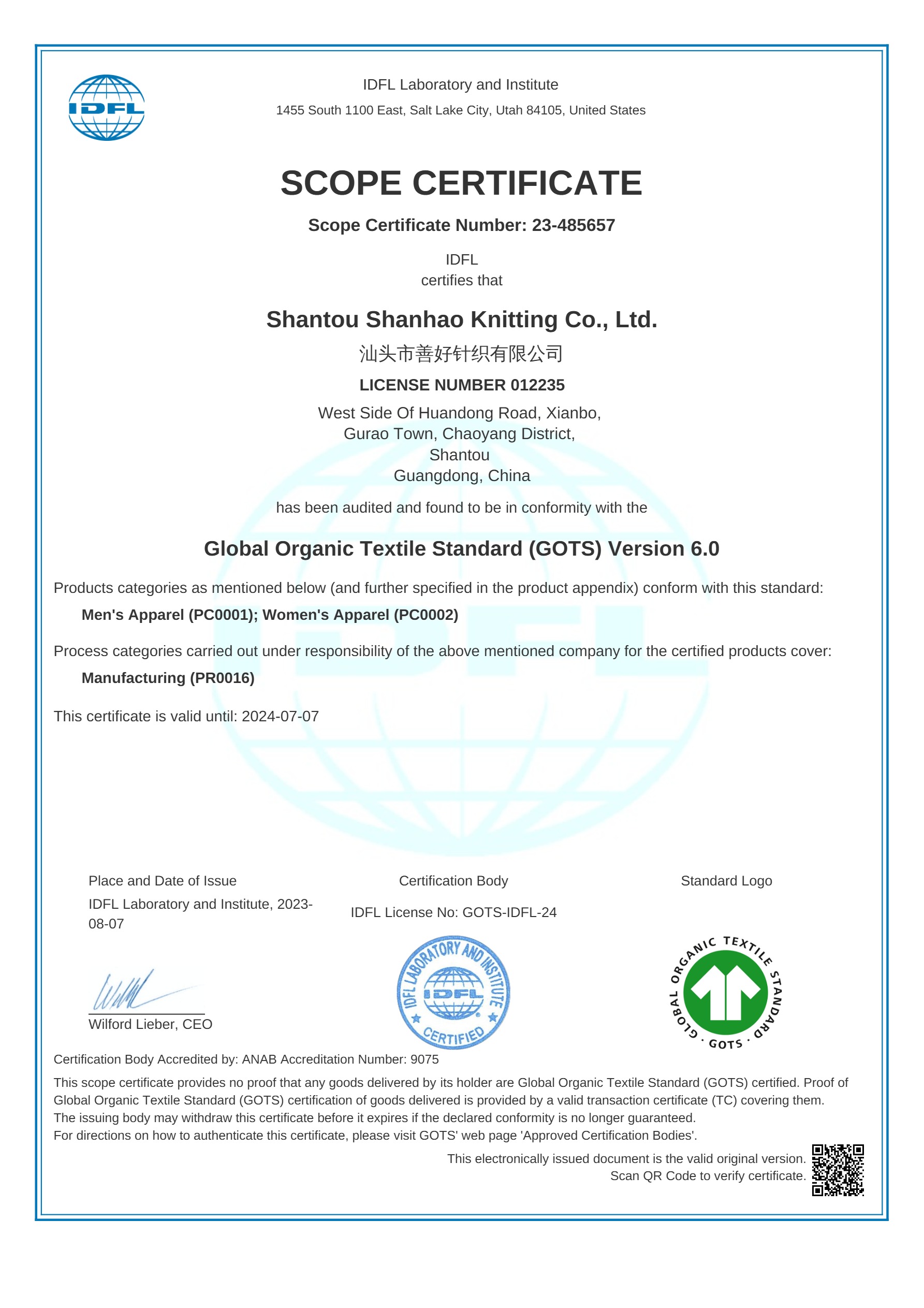
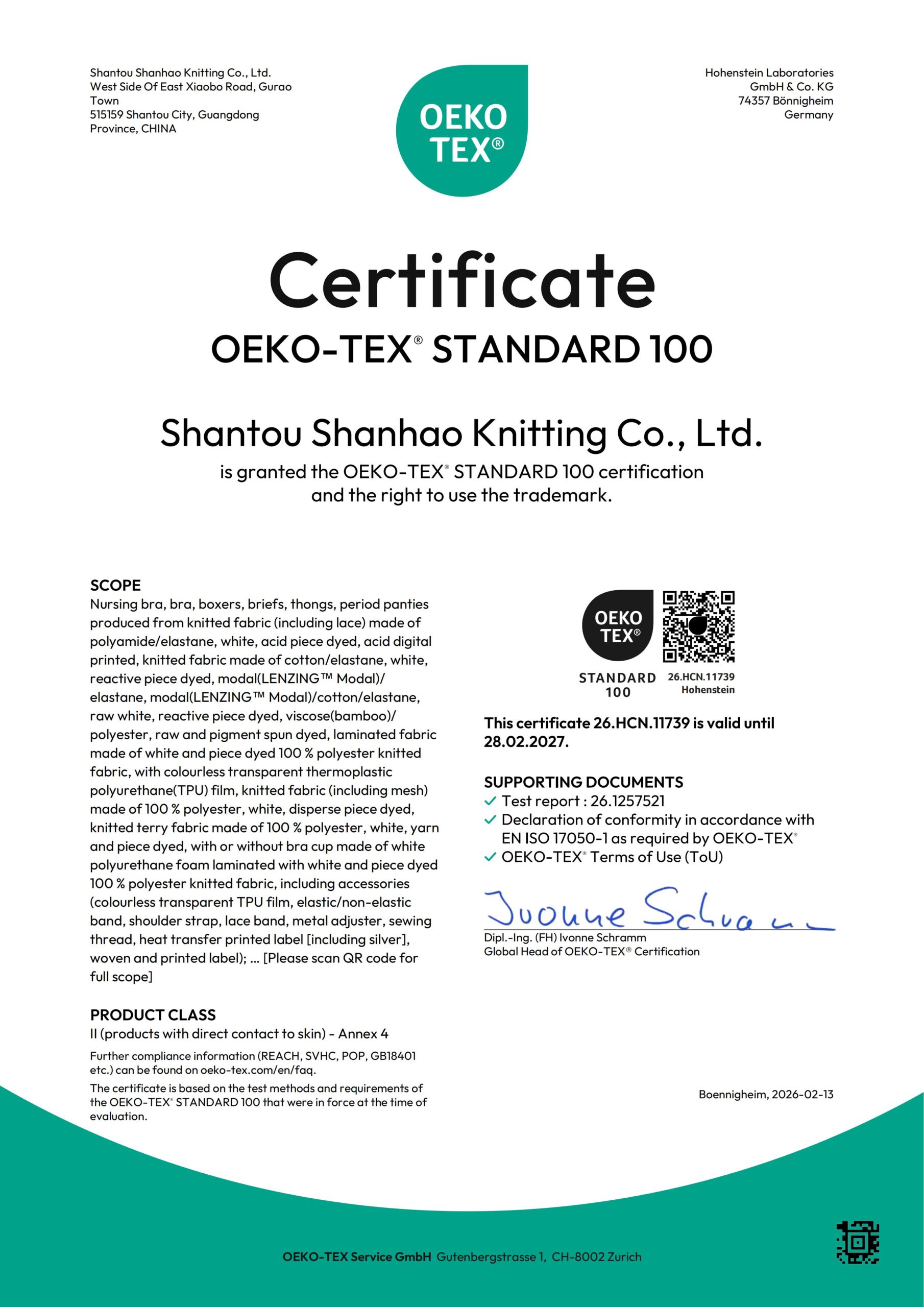
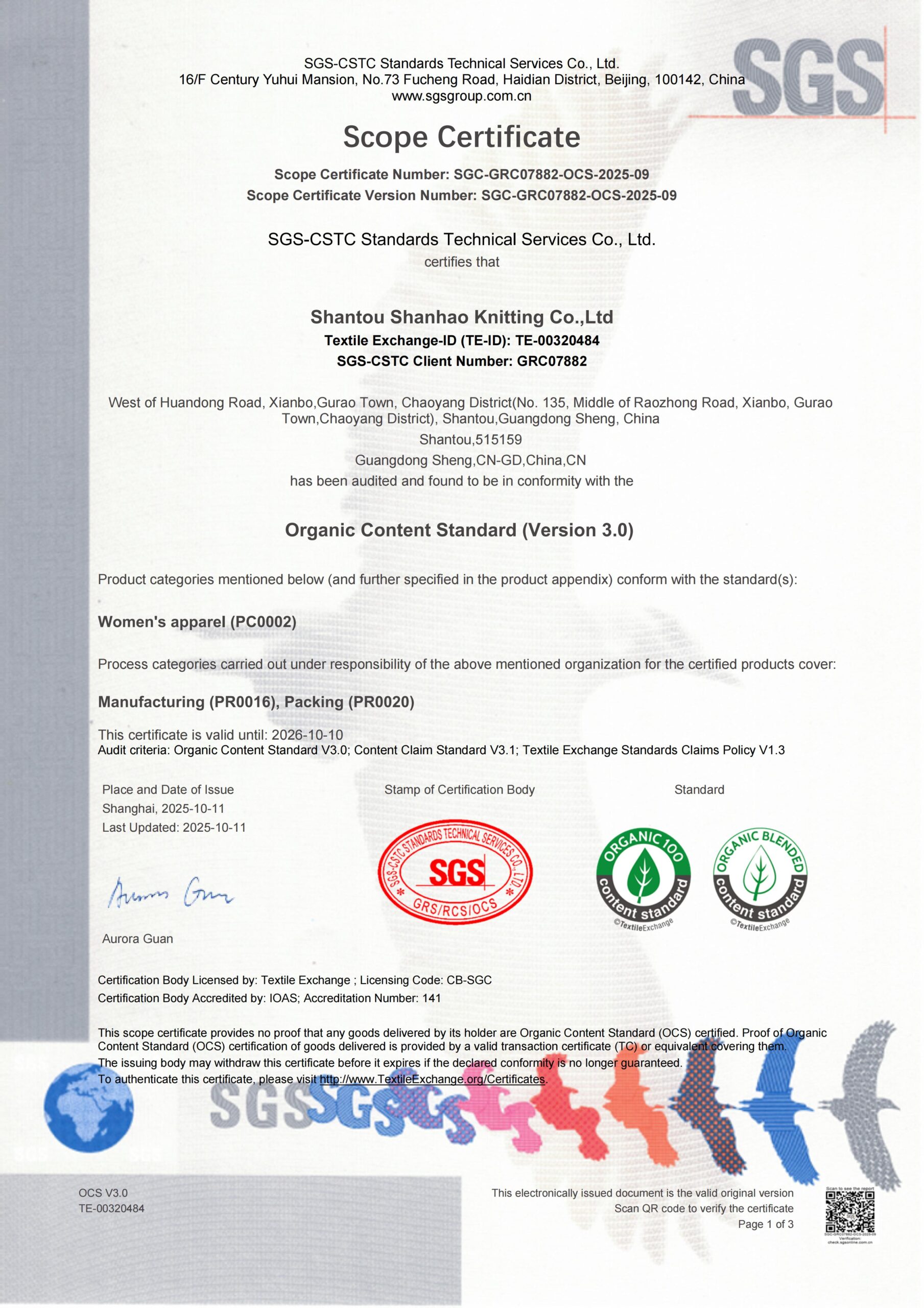
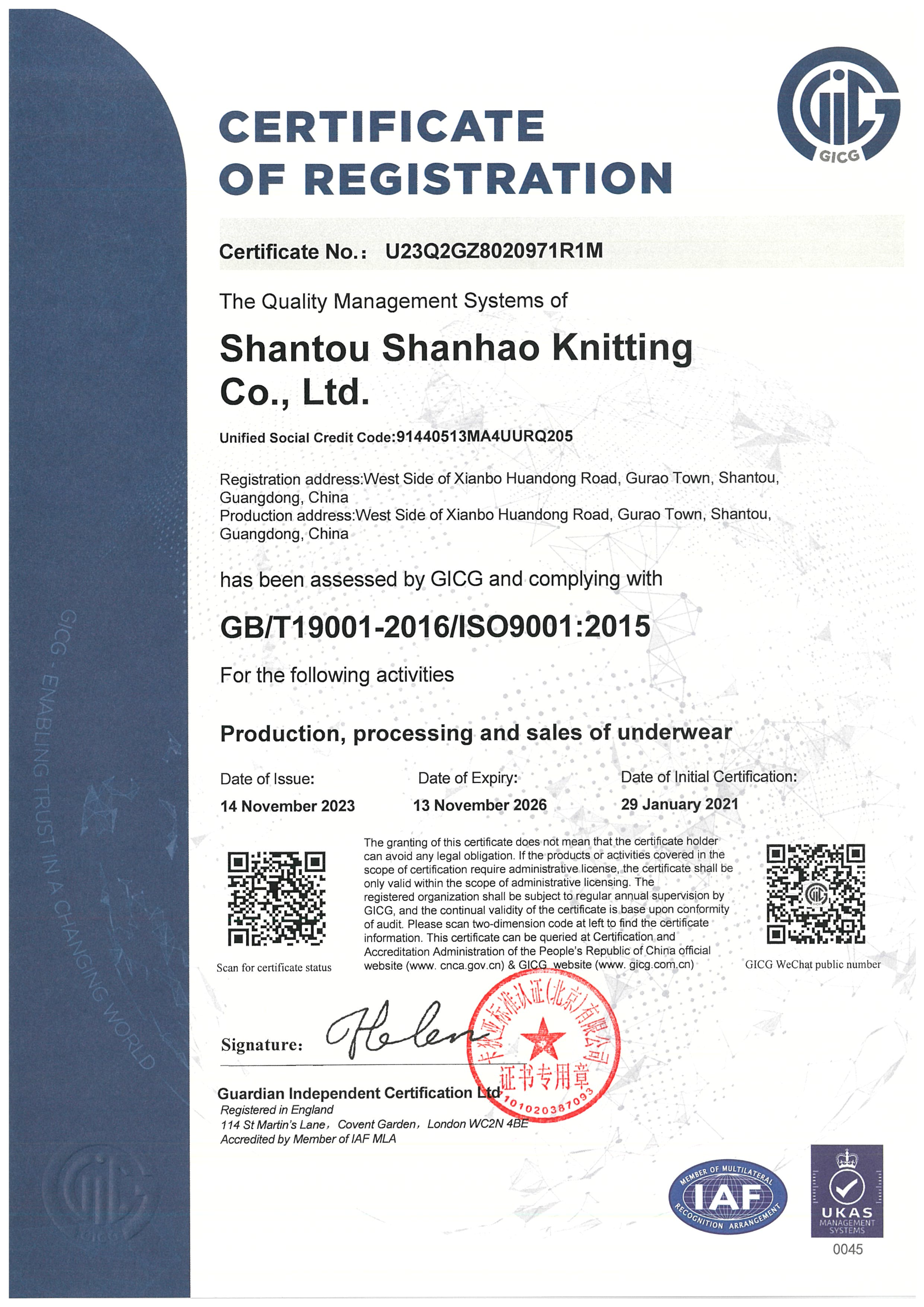
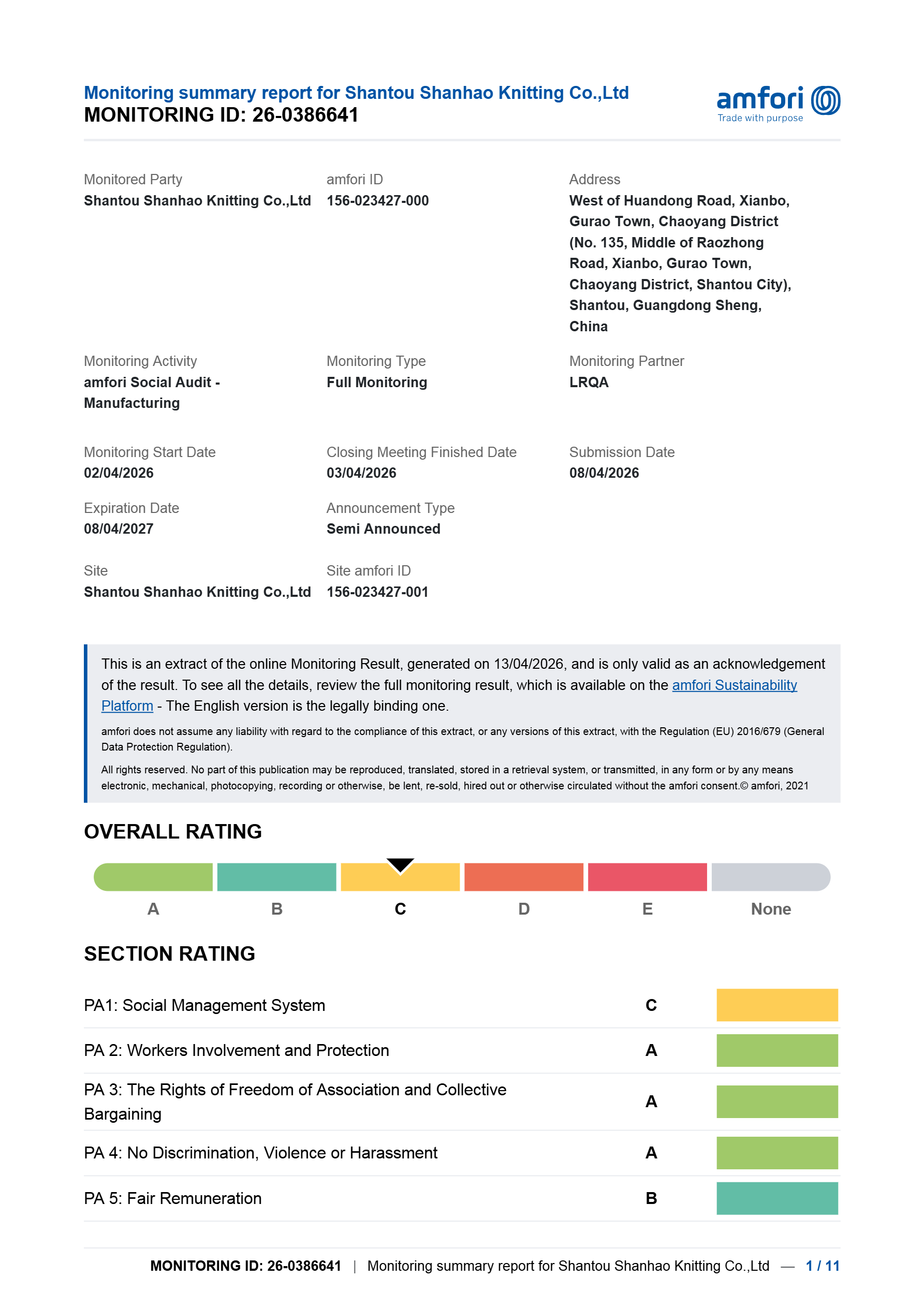
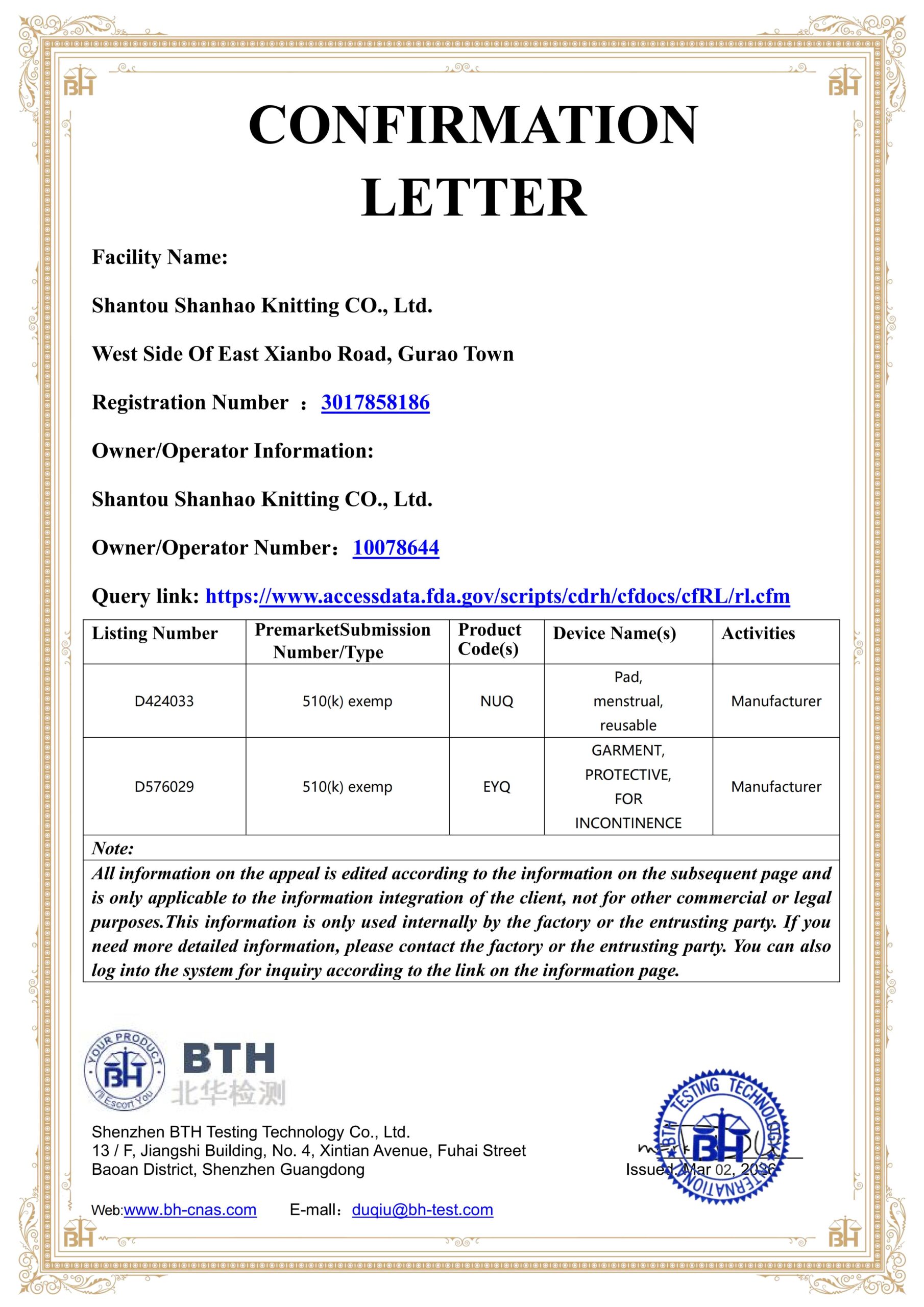
Two notes so you read them correctly. First, an FDA facility registration means the facility is registered. It is not an FDA approval of your product. Second, every certificate has its own scope and validity, so tell us your fabric, style and target market and we’ll confirm which ones apply. We also hold a PFAS-free certificate, which you can request when you ask for samples or a quote.
You can see more of our set on the certificates section of our homepage, or learn more about Shanhao’s factory and manufacturing capabilities.
Checklist Before You Sign
- Business licence shows manufacturing scope
- Address checked against public records and a map
- Live video tour of the production floor
- Certificate numbers verified with the issuing bodies
- At least three comparable quotes, with a cost breakdown
- Period underwear samples from real existing clients
- Video call with an engineer or merchandiser
- Payment terms agreed and protected
- Third-party audit or pre-shipment inspection arranged
- Manufacturing agreement signed and tech pack locked before sampling
Paying Safely
Checking the supplier lowers the chance of a problem. How you pay lowers the cost if one happens anyway.
| Method | How it protects you | Best for |
|---|---|---|
| Milestone payments | You release money as steps are completed, such as fabric approval and pre-shipment inspection | Most orders |
| Platform escrow / trade assurance | Funds are held until delivery conditions are met, subject to the platform’s terms | First orders with suppliers found on that platform |
| Letter of credit | A bank releases payment only when the agreed documents are presented | Larger orders |
| Wire transfer (T/T) to a company account | Common and simple, but with less recourse | Established relationships |
And one hard rule: if a supplier asks you to pay a personal account, or an account under a different name than the company you signed with, stop and ask why.
Common Questions
How do I know a supplier is a real period underwear manufacturer?
Ask for the business licence, a live video tour of the production floor, and samples from existing period underwear clients. Then compare what they show you with public records. One check on its own isn’t enough.
How can I tell whether a certificate is fake?
Don’t rely on a PDF. Take the certificate number and look it up with the issuing body, then confirm that the company name, scope and dates match the supplier you’re dealing with.
Is sourcing through an online B2B platform safer?
Platforms can add payment protection and show a supplier’s history, but a platform badge doesn’t prove production ability. The same red flags apply, so verify the factory yourself.
Should I audit a factory for a small first order?
Yes, if you can. An independent audit costs about the same whatever the order size, and it tells you about the supplier for every order that follows.
What if the factory passes every check and bulk quality is still poor?
Checks lower the risk but don’t remove it. Put a pre-shipment inspection with an agreed quality standard into the contract, and hold back the balance until it passes.
Can I develop a private label period underwear line with Shanhao?
Yes. OEM/ODM development can include fabrics, styles, colors, labels, packaging and internal construction, depending on our capabilities and minimum order requirements. Our underwear manufacturing process and FAQs explain how it works.
Final Word
None of these checks is complicated. They just take a bit of time before you send a deposit, which is when it’s easiest to walk away. A good manufacturer will be comfortable with every one of them.
If you’d like to test us, ask for certificate numbers, a video call, or samples, and see how we respond. You can contact our team any time, or start by looking through our OEM underwear products.
Looking for a Period Underwear Manufacturer You Can Verify?
Send us your product ideas, target market, materials and expected order quantity. Ask for our certificates and check them yourself.